

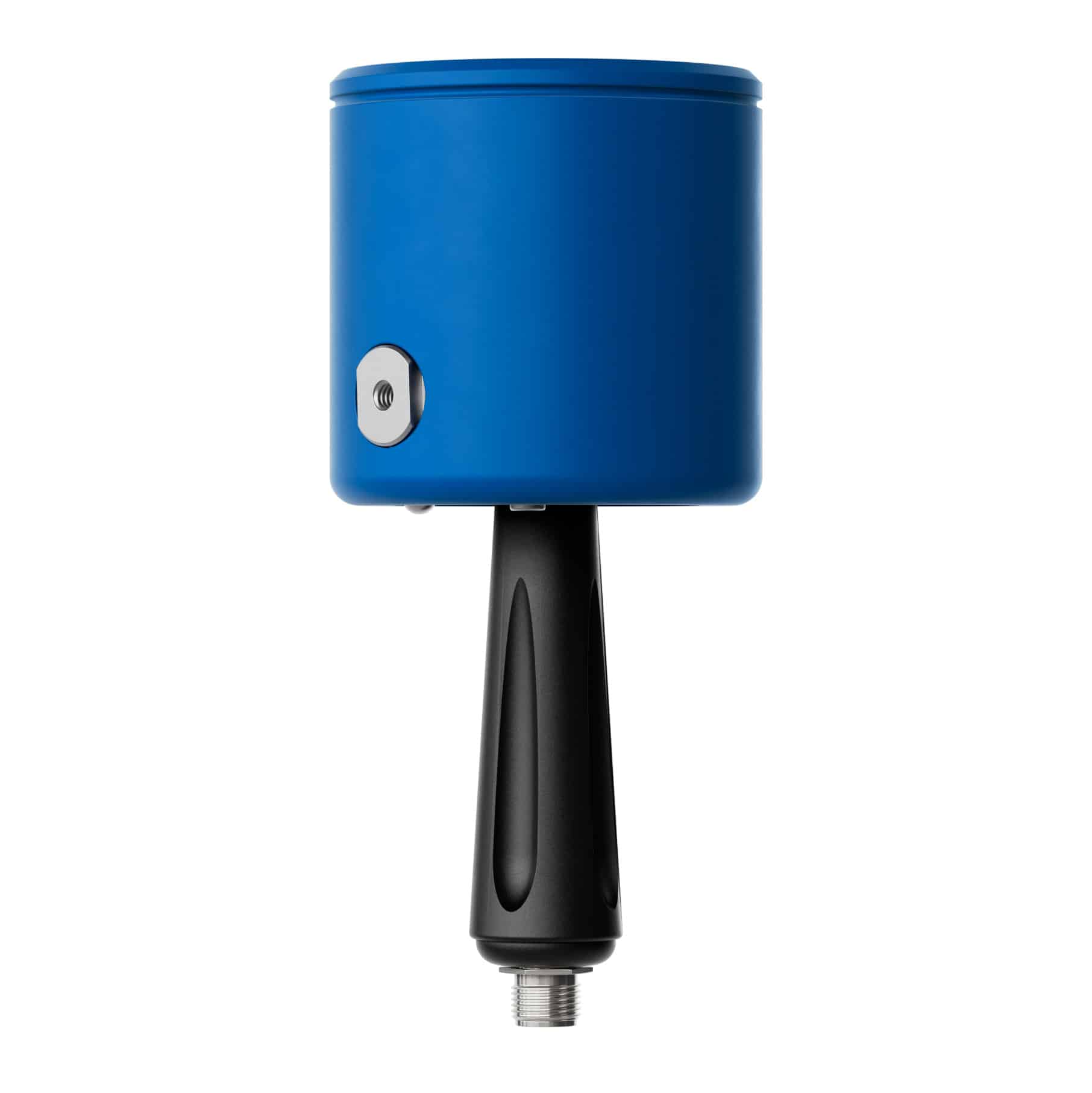
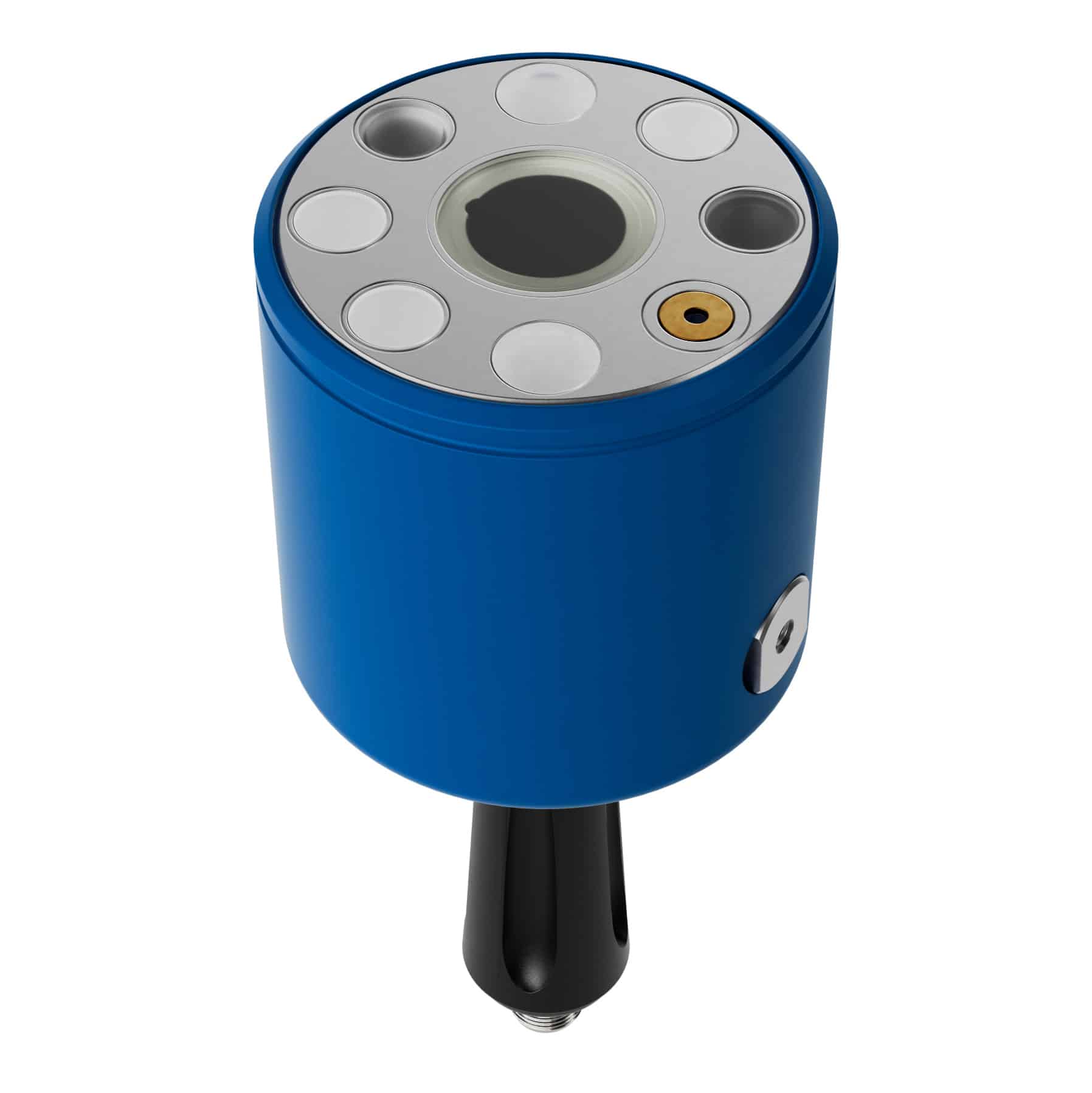
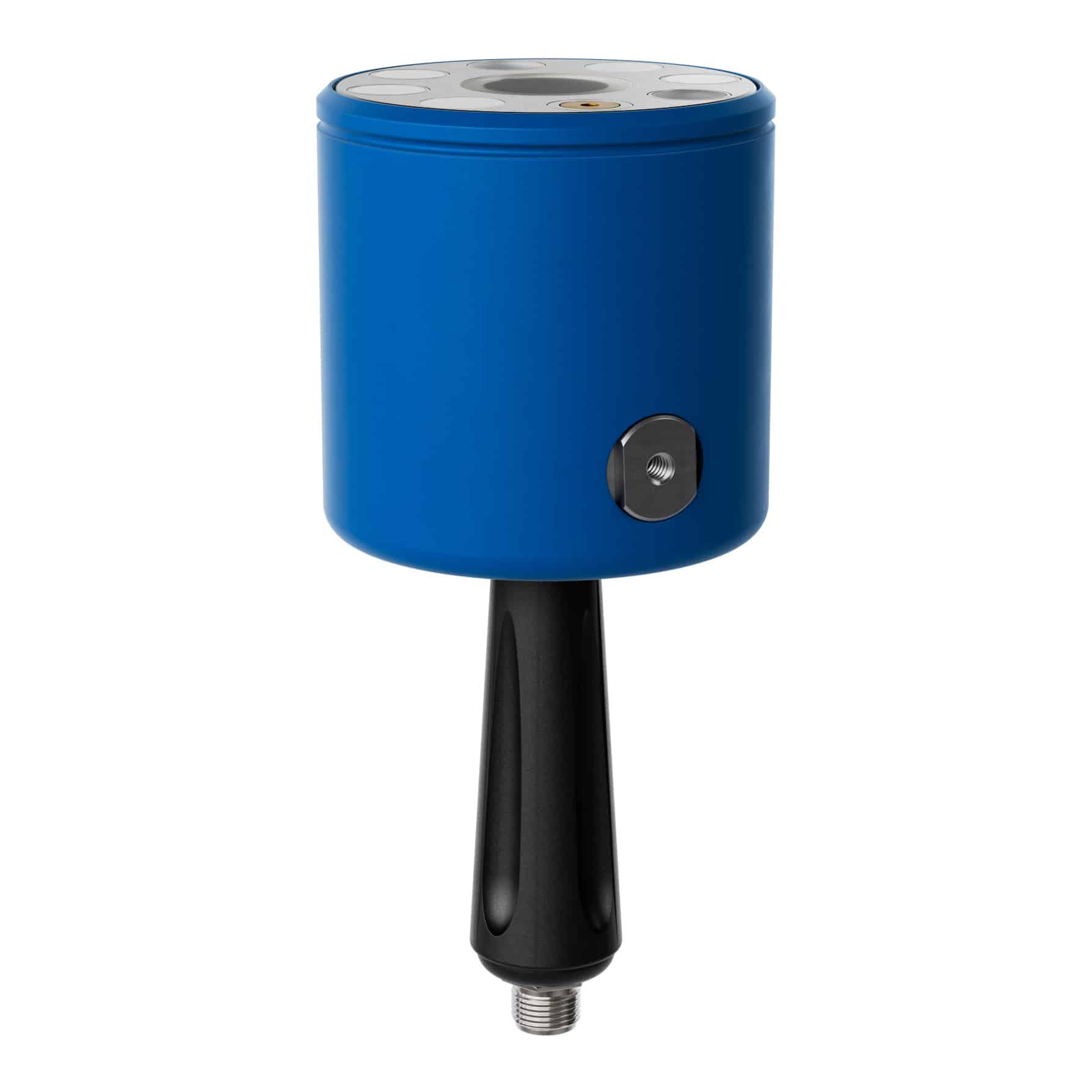
The multi-sensor photo-radiometer is a portable instrument with integrated datalogger, designed for measuring non-coherent artificial optical radiation in accordance with European Directive 2006/25/EC and Italian Legislative Decree D.Lgs. 81/2008. It is intended for technical evaluations related to exposure to potentially critical light sources in workplaces, industrial environments, healthcare applications, laboratories and research facilities.
The main feature of the instrument is the presence of multiple integrated sensors, each dedicated to a specific spectral range. Within a single system it is possible to perform measurements of illuminance, UV irradiance, UVA, blue light, weighted infrared radiation and IR irradiance with thermopile sensor. This configuration makes it possible to analyse different optical sources without changing probes, while maintaining readings consistent with the risk indices required for artificial optical radiation assessment.
The sensors cover the main spectral bands required for verification: the photometric sensor measures illuminance in the 380…780 nm range, the UV sensor operates in the 220…400 nm range with spectral weighting factor S(λ), the UVA sensor covers 315…400 nm, while the blue light sensor works in the 400…700 nm range with weighting factor B(λ). For the infrared range, the instrument includes a sensor covering 700…1300 nm with weighting factor R(λ), together with a thermopile sensor for IR irradiance measurements in the 400…2800 nm range.
The integrated LASER pointer makes it easier to identify the source being analysed, especially when working with systems, lamps, workstations or equipment with multiple nearby emissions. A rear status LED also provides a visual indication of ongoing acquisition, which is particularly useful during long-term measurement campaigns.
Connection to the PC is made through a cable with M12 connector on the instrument side and USB connector on the PC side. The instrument can be powered directly from the computer USB port or by external USB power supply. This configuration allows both real-time acquisition and autonomous data logging after the initial setup.
Using the DeltaLog13 software, it is possible to configure calendar, date, time, start delay and recording duration for measurement campaigns. The software also enables data download, graphical analysis and automatic generation of report tables with exposure limit values for each risk index. Evaluations are displayed with colour indicators to help distinguish safe conditions from hazardous or dangerous ones.
The internal memory allows up to 96,000 recordings, equivalent to approximately 26 hours of continuous acquisition with a fixed 1-second interval. Once configured, the instrument can be disconnected from the PC and used autonomously, recording data according to the programmed settings. This makes it suitable both for immediate measurements and scheduled monitoring campaigns.
Applications
- Assessment of exposure to artificial optical radiation in workplaces
- Measurements according to European Directive 2006/25/EC and D.Lgs. 81/2008
- Control of non-coherent light sources in industrial, healthcare and laboratory environments
- Measurement of illuminance, UV, UVA, blue light and infrared radiation with a single multi-sensor instrument
- Analysis of lamps, technical lighting systems, process equipment and optical sources
- Measurement campaigns with autonomous long-term data logging
- Real-time acquisition from PC for immediate verification and data analysis
- Support for photobiological risk assessment and technical safety documentation
FAQ – Multi-sensor photo-radiometer
What is a multi-sensor photo-radiometer used for?
It is used to measure different components of non-coherent artificial optical radiation, including illuminance, UV, UVA, blue light and infrared radiation. It is intended for evaluating exposure of operators or environments to potentially critical light sources.
When should this instrument be selected instead of a traditional luxmeter?
A traditional luxmeter mainly measures illuminance in lux. This instrument is more advanced because it integrates dedicated sensors for the different spectral bands involved in artificial optical radiation assessments, including UV, blue light and infrared radiation.
Is the instrument suitable for assessments according to D.Lgs. 81/2008?
Yes, it is specifically designed for non-coherent artificial optical radiation measurements in accordance with European Directive 2006/25/EC and Italian Legislative Decree D.Lgs. 81/2008. It is therefore suitable for technical prevention, protection and exposure assessment activities.
Which spectral bands are measured?
The instrument integrates sensors for illuminance 380…780 nm, UV 220…400 nm, UVA 315…400 nm, blue light 400…700 nm, infrared 700…1300 nm and IR irradiance with thermopile sensor in the 400…2800 nm range.
What is the integrated LASER pointer used for?
The LASER pointer helps accurately identify the light source being analysed. It is useful when multiple nearby sources are present or when the instrument must be precisely aimed at a specific emission point.
Can the instrument record data without remaining connected to a PC?
Yes, after software configuration the instrument can be disconnected from the computer and used in autonomous acquisition mode. Data are stored according to the programmed settings.
How much memory does the datalogger provide?
The internal memory allows up to 96,000 recordings, corresponding to approximately 26 hours of continuous acquisition with a fixed 1-second interval.
What can the DeltaLog13 software do?
The software allows configuration of the instrument, data download, real-time acquisition and measurement analysis. Final reports include exposure limit values for the different risk indices, with visual indicators of measured conditions.
How is the instrument powered?
It can be powered through the USB connection to the PC or by external USB power supply. The dedicated cable uses an M12 connector on the instrument side and USB on the PC or power supply side.
Is the instrument suitable for long-term measurement campaigns?
Yes, the internal memory, autonomous acquisition capability and software-based programming make it suitable for unattended measurement campaigns and interval-based monitoring activities.
Fill out the form below to contact us.
"*" indicates required fields


